Black fans of La Albiceleste should reckon with what it means to romanticize a football culture that repeatedly degrades Black people, treats that degradation as normal, and expects them to overlook it.
Argentina’s Beauty Is Built on Black Erasure
Football is rarely just football. It is identity, history, politics, and emotion compressed into ninety minutes. The teams people support often reveal as much about them as the game itself. So when people of African descent openly support Argentina, the question is bigger than fandom. It is worth asking: what exactly are they aligning themselves with?
The Romance of Argentina
Argentina is easy to fall for on the surface. The passion, the chaos, the intensity, and, of course, Lionel Messi, a player who has become larger than football itself. For many fans, especially outside South America, supporting Argentina can feel like supporting artistry. It can feel like choosing beauty, emotion, and drama over cold efficiency.
That is what makes this conversation so uncomfortable. The romance is real, but so is what sits underneath it.
A lot of people want football to exist in a vacuum. They want support to be about aesthetics, nostalgia, favorite players, and trophies. They want it to be about vibes and nothing more. But football has never worked like that. The beauty of a team can make people careless. It can make them ignore the culture around it, the history behind it, and the things that keep surfacing in plain sight.
That is what makes support for Argentina, especially from people of African descent, so difficult to examine honestly.
Whitening, Erasure, and the National Image
Part of that discomfort begins long before kickoff. Argentina has spent generations projecting a national identity rooted in Europeanness, often at the expense of acknowledging its Black history. Afro-Argentine communities existed, contributed, and helped shape the country, yet they were steadily pushed to the margins of the national story.
The numbers tell part of that story. According to the 2022 census, 302,936 people in Argentina identified as having African descent, roughly 0.66% of the population. That stands in sharp contrast to 1778, when Afro-Argentines made up around 37% of the population. That presence did not simply vanish. It was diminished, redefined, and erased from the image the nation came to present to itself and to the world.
Even now, Afro-Argentines often describe a kind of invisibility, regularly mistaken for foreigners rather than recognized as citizens. That is what whitening does. It does not only change numbers. It changes memory and visibility. It changes who gets seen as truly belonging.
Football reflects that reality. The Argentina national team has historically featured very few Black players, only three to be exact. José Manuel Ramos Delgado, Alejandro de los Santos in the 1920s, and Héctor “Chocolate” Baley, part of the 1978 World Cup-winning squad, stand out precisely because they are exceptions. Modern Argentina sides have been almost entirely white, reflecting the national image rather than disrupting it.
A Pattern That Keeps Repeating
That is why the anti-Black incidents surrounding Argentine football cannot be brushed aside as random or isolated. They form a pattern, and patterns tell the truth more clearly than excuses ever will.
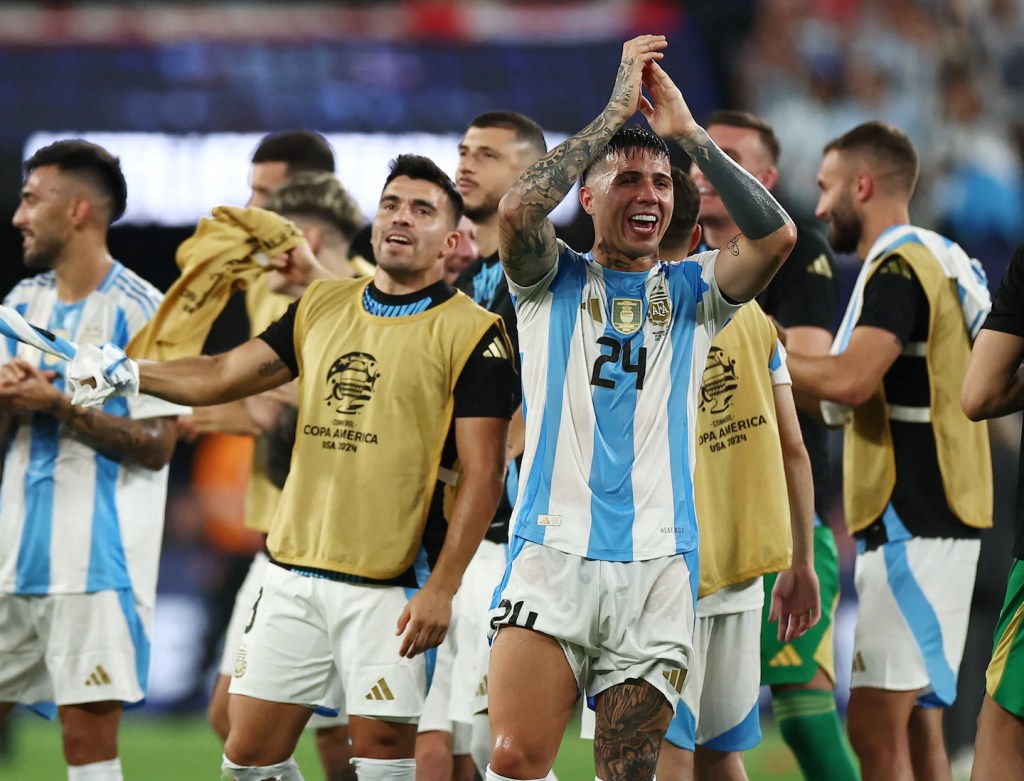
The 2024 Copa América chant made that impossible to ignore. After the victory, Argentine players were filmed singing a chant mocking French players of African descent, questioning their nationality, and using transphobic language. Enzo Fernández was specifically cited after posting it. But what made the incident even more revealing was the reaction that followed. Rather than treating it with the seriousness it deserved, some political figures defended it and reframed the backlash as anti-Argentine hostility.
That matters because once racism is not merely denied but defended, the problem is no longer just the act. The problem is the environment that protects it.
The same pattern showed up after the 2022 World Cup final. Kylian Mbappé became the target of mockery that went well beyond rivalry. Fans circulated disturbing imagery, and players were accused of leading a “minute of silence” to mock him. Still, much of it was brushed off as banter, passion, or folklore.
It has surfaced in other moments too. After Argentina’s defeat to Morocco at the Paris Olympics, Argentine fans unleashed a wave of racist and xenophobic abuse at Morocco’s Atlas Lions across social media. During the 2024 Copa América, Canadian defender Moïse Bombito was also subjected to racist abuse online from fans after a tackle on Lionel Messi. Different players, different opponents, same instinct.
And that word, folklore, does far too much work in these conversations. It turns cruelty into tradition. It turns racism into atmosphere. It gives people something poetic to hide behind when they do not want to call something what it is.
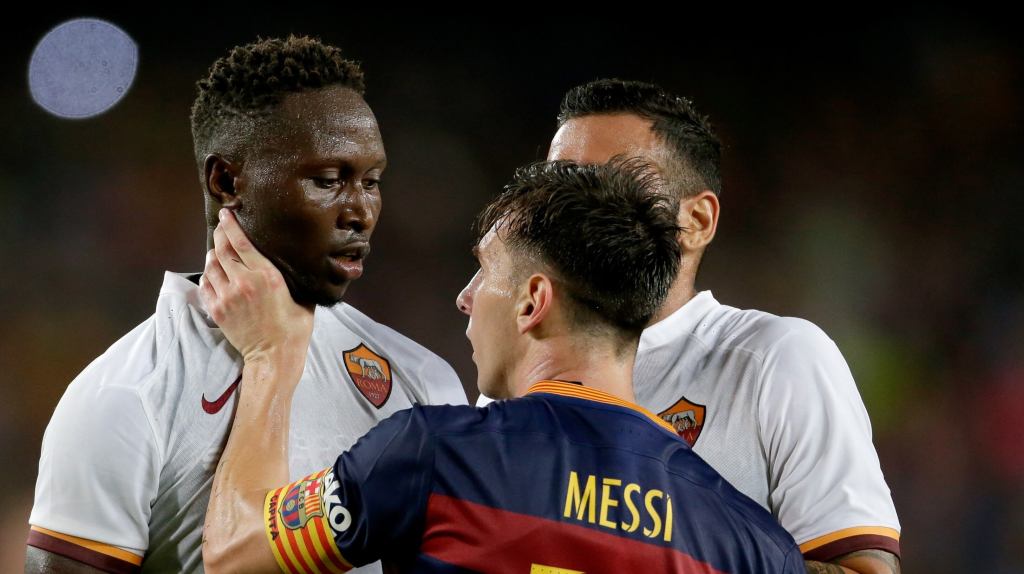
Even individual cases get filtered through the same instinct. In 2012, Royston Drenthe said Lionel Messi repeatedly called him “negro” in a negative tone during a match. Many were quick to dismiss that as cultural misunderstanding. But that excuse only goes so far. A word can be casual in one context and hostile in another. What matters is the intent behind it in that moment, not the comfort people take in explaining it away afterward.
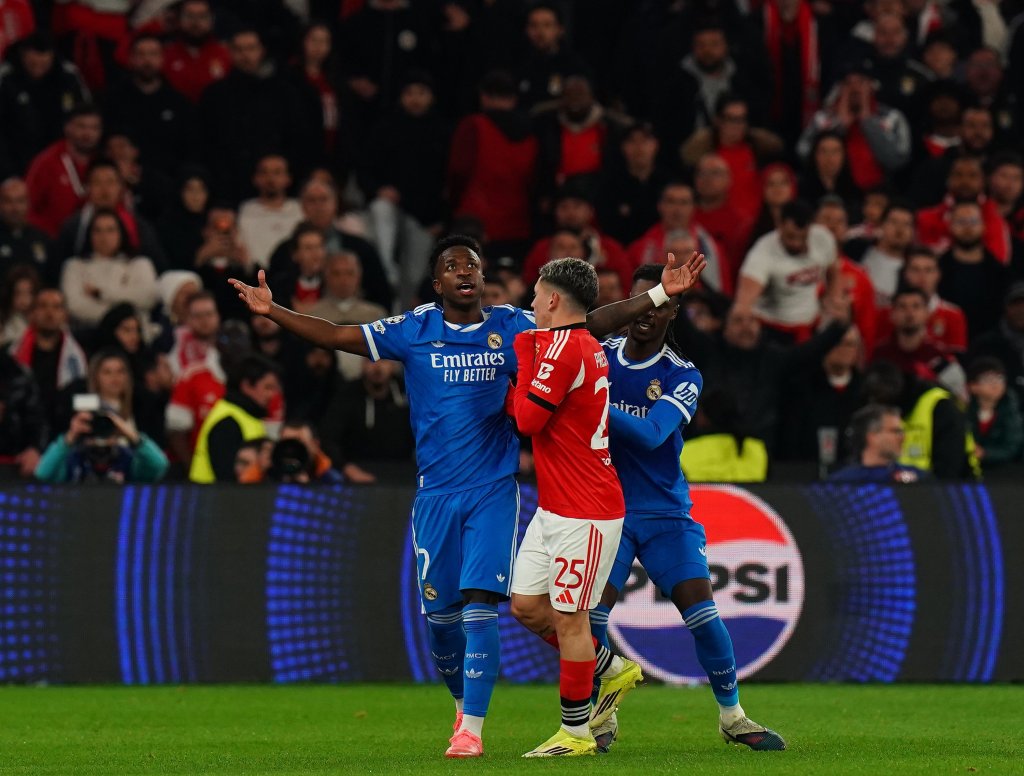
The Vinícius Júnior and Prestianni situation followed a similar script: immediate defense, immediate minimization, immediate retreat into misunderstanding. In 2024, four River Plate women’s players were also detained in Brazil over alleged racist taunts and gestures toward a ball boy, showing again that this is not confined to one team, one gender, or one isolated corner of the sport.
At some point, repetition stops being coincidence. It starts looking like permission.
When Aesthetics Become Cover
What makes this even more uncomfortable is how selective football morality can be. Fans are often quick to condemn racism when it comes from the wrong place, the wrong fanbase, or the wrong country. But when Argentina is involved, too many people suddenly become softer, slower, and more forgiving. Suddenly everything needs context. Suddenly everything becomes about passion, rivalry, misunderstanding, or culture.
That is not moral consistency. That is aesthetic loyalty.
Messi becomes a shield. Passion becomes a shield. Tradition becomes a shield. The beauty of the football starts doing too much work, covering for things that would be condemned immediately in almost any other setting.
That is how romance becomes cover.
And once racism is absorbed into stadium culture as part of identity and belonging, people stop confronting it morally and start defending it culturally. The question stops being whether something is wrong and becomes whether it is simply part of the game. That is how lines disappear.
What Loyalty Requires
For supporters of African descent, that should raise a harder question. Not whether they are allowed to support Argentina, because football fandom is not a purity test. The real question is whether they are being honest about what they are overlooking.
Because when the same kinds of incidents keep surfacing, and the same excuses keep following them, support stops looking innocent. It starts to look like a willingness to emotionally invest in a football culture that has shown repeated comfort with humiliating Black people, then asking everyone else to accept it as tradition, misunderstanding, or banter.
That is the issue. Not simply supporting Argentina, but supporting it while ignoring the history of whitening and erasure behind the national image, and the anti-Blackness that continues to surface around its football culture.
It is easy to fall in love with the romance of Argentina. It is harder to ask what that romance asks you to ignore.
 SHE KNOWS BALL
Leave a comment