
Why Football’s addiction to the next big thing can be deeply damaging to a young player’s career.
Every year, a new teenager is pushed into the spotlight and spoken about as though greatness is already waiting for him. A few clips go viral, a few standout performances follow, and suddenly potential is treated like proof. Before some of these players have even settled into senior football, they are already carrying the weight of a future that has been written for them.
Some live up to it. Many do not. And when they do not, the reaction is usually brutal in its simplicity. They were overrated. They lacked discipline. They never had the mentality. They are written off as failed wonder-kids, as if the distance between promise and superstardom can always be explained by one flaw, one mistake, or one character defect.
But football is rarely that neat. Talent matters, of course, but talent alone has never guaranteed anything. Timing matters. Health matters. Confidence matters. Coaching matters. Stability matters. Just as important is the environment around a young player, which can either protect his development or bend it out of shape before it ever has the chance to settle.
That is what makes the failed wonderkid such an interesting figure. He is often framed as someone who was never as good as people thought. In reality, he is just as often the product of a sport that demands certainty from players who are still unfinished.
The Weight of Hype
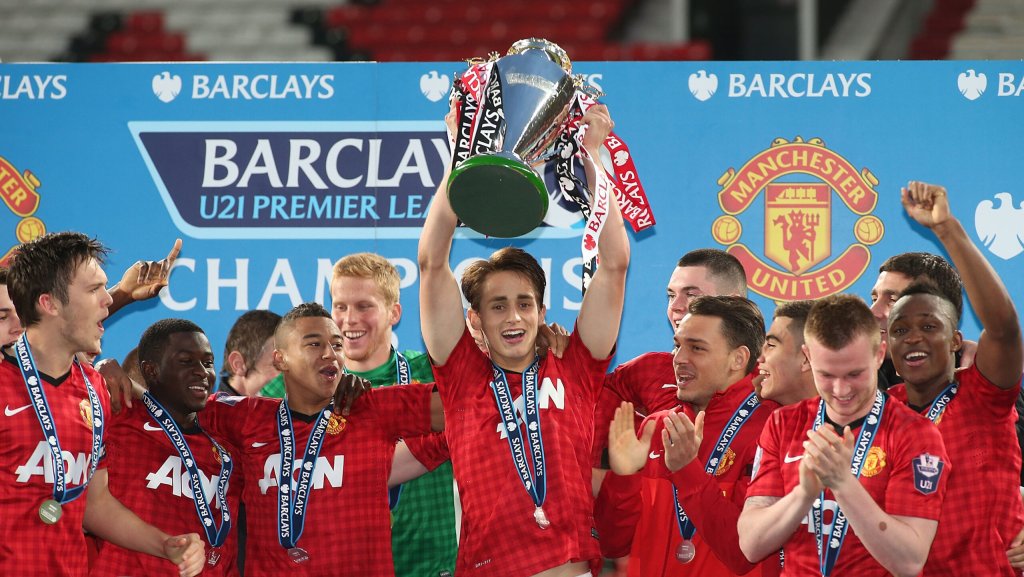
Once a player is labeled a wonderkid, he stops being treated like a prospect and starts being judged like a star. Freddy Adu became a symbol before he had the chance to become a footballer on his own terms. Ravel Morrison’s name still carries a kind of mythical quality because the talent was so obvious that people built an entire future around it. Adnan Januzaj went through something similar at Manchester United, where an exciting breakthrough quickly became the burden of expectation.
In each case, the player stopped being allowed to develop naturally. He became an idea before he was ever allowed to become a finished footballer.
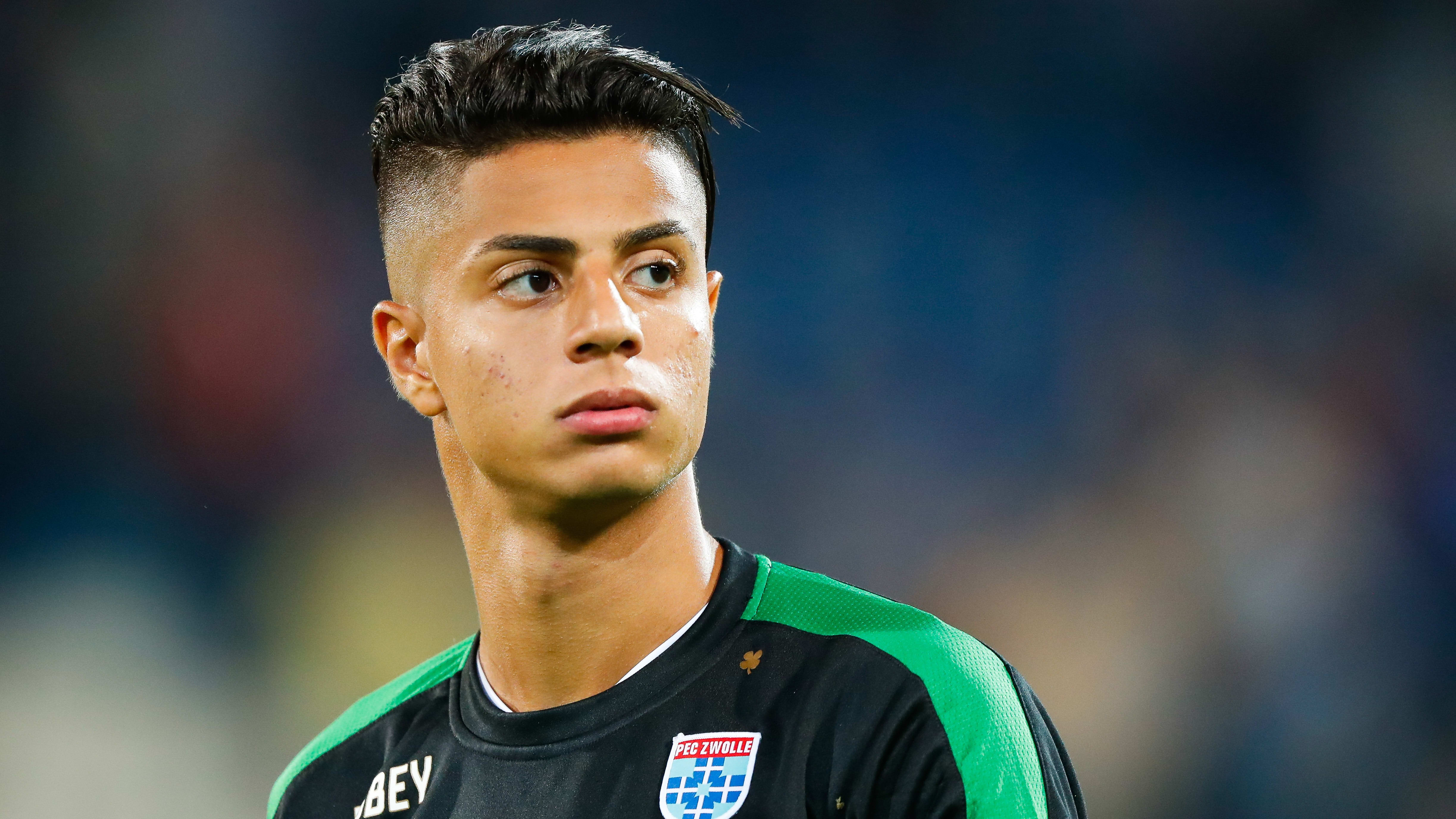
That pressure changes everything. Young players need room to make mistakes, lose rhythm, adapt, and grow. Instead, football often treats every quiet spell as evidence that the hype was false. Hachim Mastour is one of the clearest examples of that internet-era phenomenon, the sort of player whose name exploded long before his senior career ever had the chance to settle. Alen Halilović carried a similarly oversized reputation while still very young, and once the path upward became less smooth, the conversation around him turned faster than his development ever could.
When Potential Becomes Myth
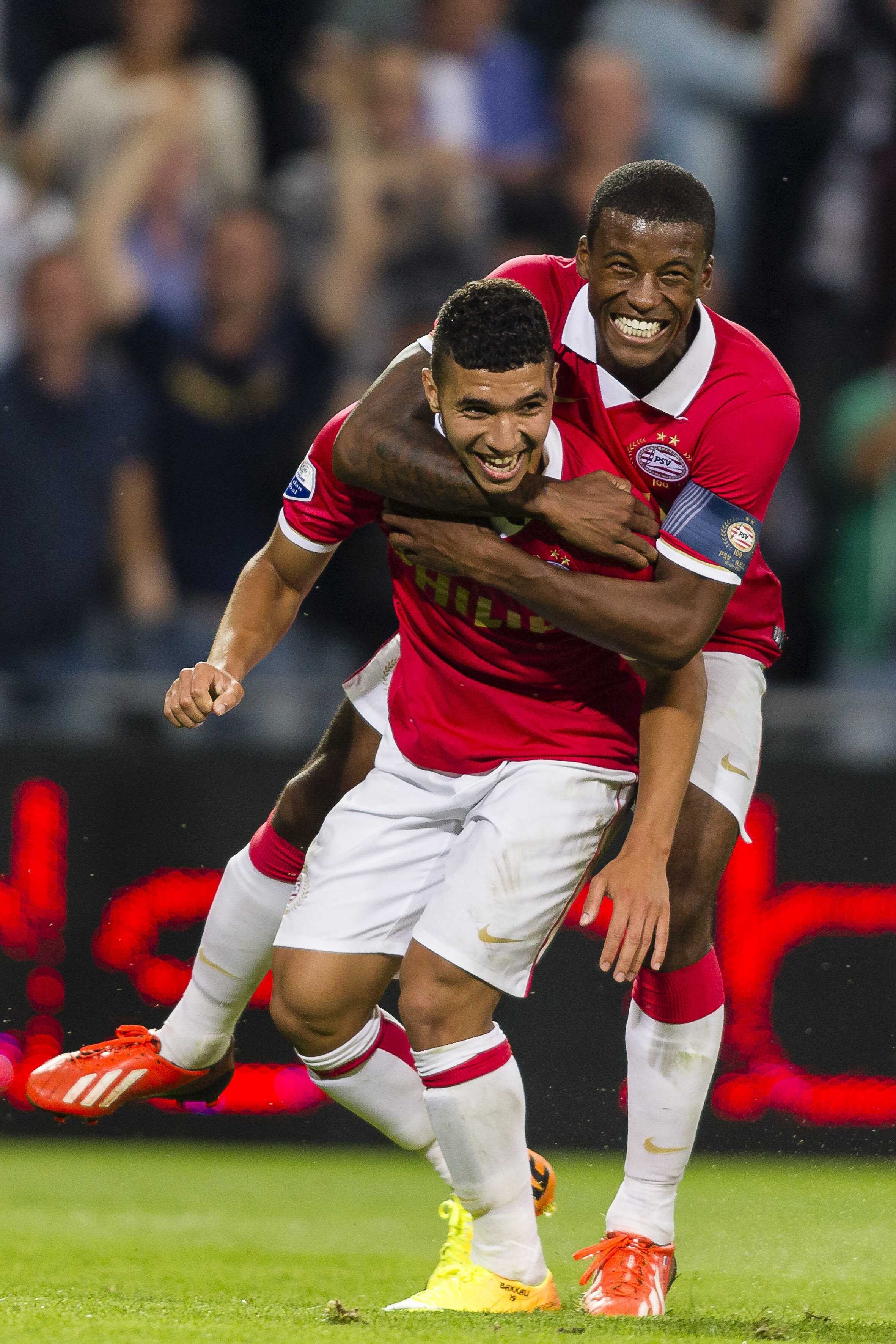
Zakaria Bakkali belongs in this conversation too, not only because of the real-life excitement around him, but because of what he represented to so many fans. Anyone who played FIFA 14 Career Mode remembers the obsession. We all signed him. We all developed him. We all convinced ourselves we were looking at a future superstar.
That matters, because wonderkid culture has always had a way of turning possibility into myth. At a certain point, the projection grows so large that it becomes detached from the actual player. The footballer becomes less real than the promise attached to him. Potential stops being something to monitor and starts being treated like something inevitable.
But youth football has never worked that way. Being brilliant at 16 does not guarantee dominance at 22. Being more advanced than your peers does not mean the senior game will bend to you in the same way. The jump is sharper, harsher, and far less forgiving than people like to admit.
The Wrong Place at the Wrong Time
Talent is only part of the story, environment matters just as much. Not every young player lands in the right place at the right moment. Some need patience and structure; instead, they get instability, managerial changes, bad loans, or clubs that love the idea of youth more than the reality of developing it.
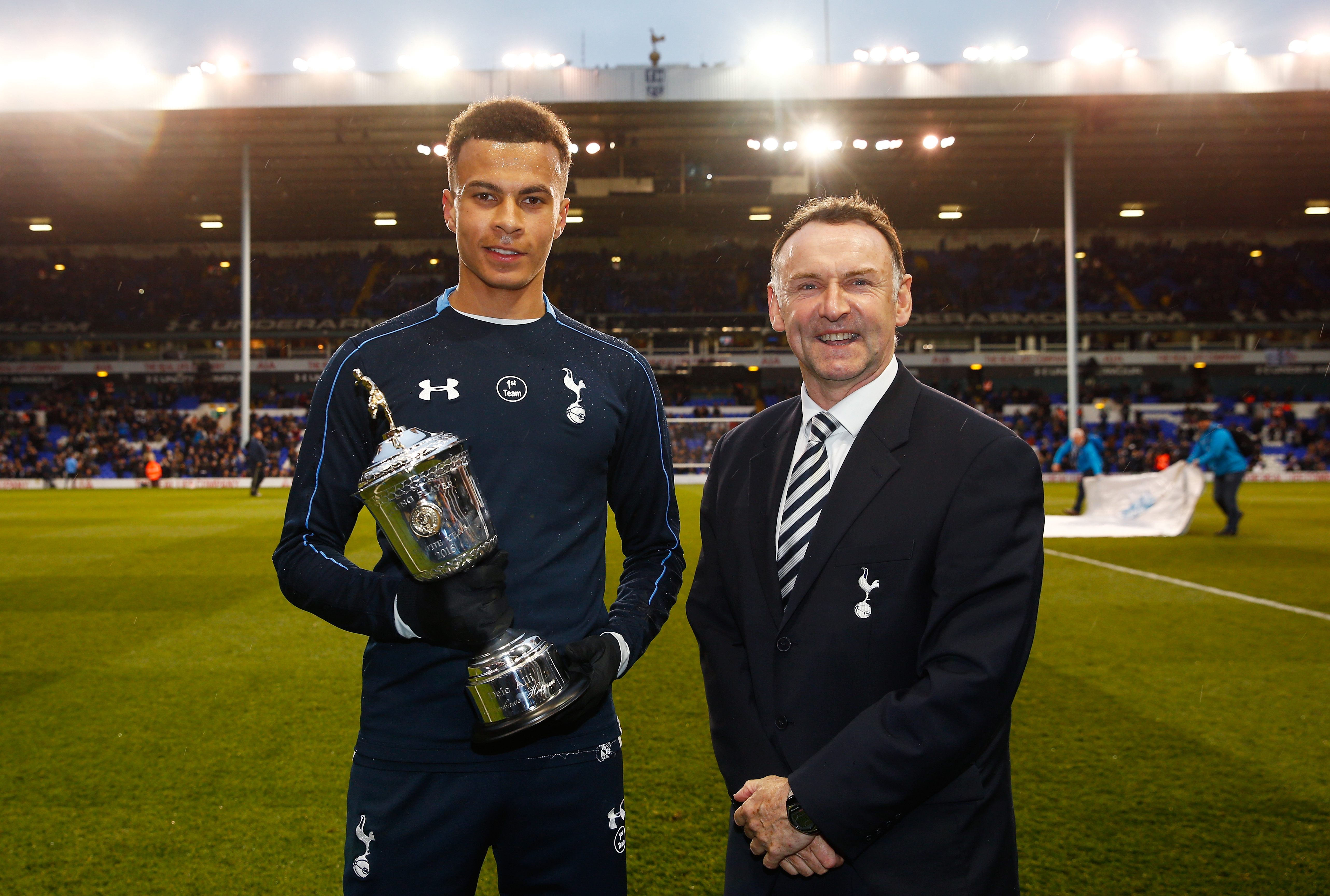
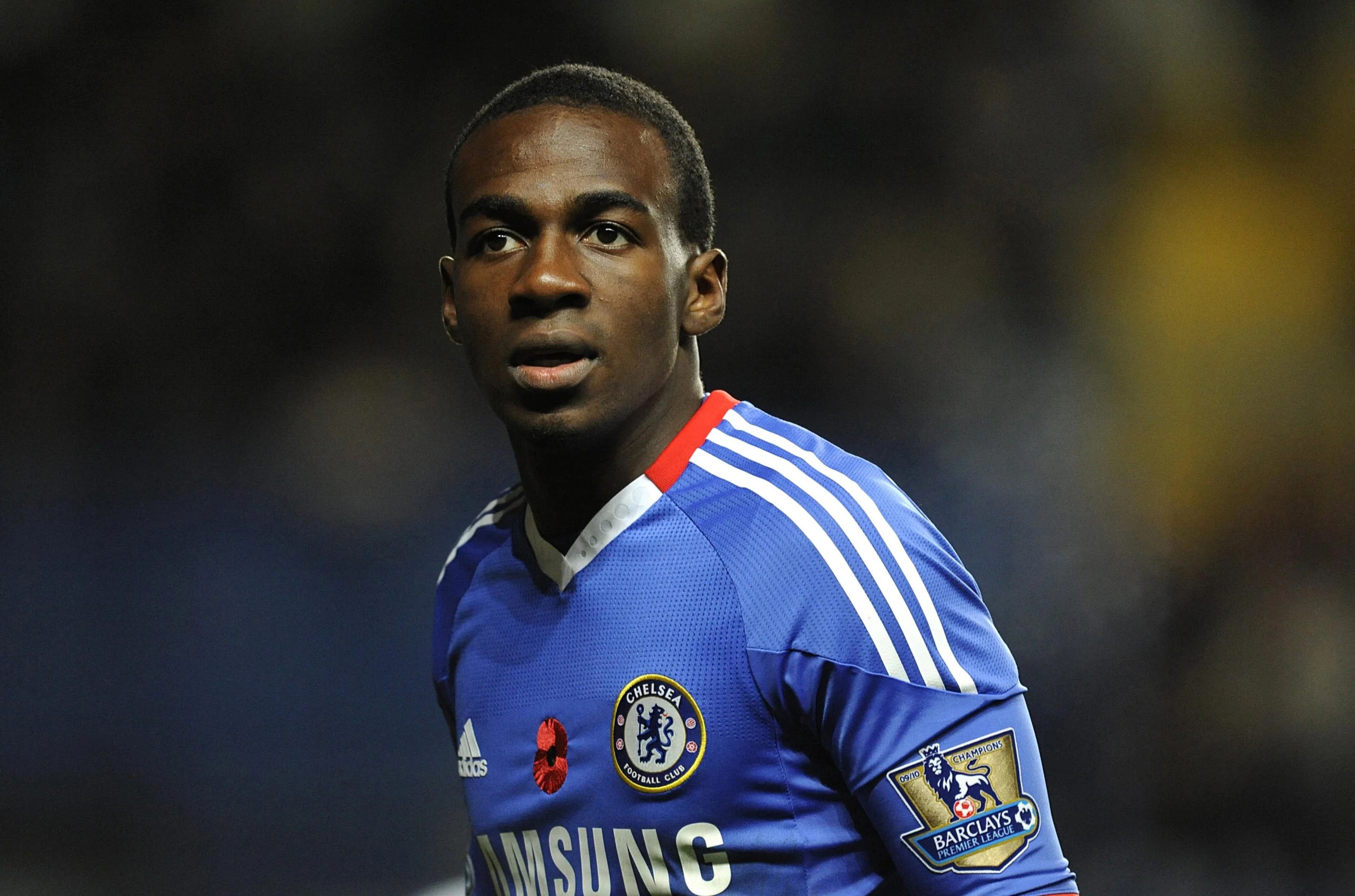
Gaël Kakuta’s career never found the foundation people once expected, and Jerome Sinclair is another reminder that an early debut is not the same thing as a real pathway. A teenager appearing early for a major club can look like the beginning of everything when, in reality, it may end up being the moment people remember most.
That is why it makes little sense to talk about failed wonderkids as though they all failed in the same way. Some were overhyped. Some were mishandled. Some lost momentum at exactly the wrong time. Some simply never found the right fit. And once the trajectory starts slipping, football rarely gives young players the time or grace to rebuild it quietly.
When Expectation Becomes a Price Tag
Anthony Martial did not arrive at Manchester United as just another talented young forward. He arrived carrying a huge fee and the mythology of that Ballon d’Or clause, the kind of detail that tells you how grand the projections around him had already become. He was not simply being bought as a promising attacker; he was being framed as a future phenomenon.
João Félix carried an even heavier burden. The price tag attached to him turned every performance into a verdict. At that level, people stop judging a player normally and start measuring him against the image they were sold. He has still played at major clubs and had moments of obvious quality, but the career arc never matched the generational-star label that followed him so early. That is part of what makes this conversation so harsh. Once the fee becomes part of the story, development is no longer treated like a process. It becomes a countdown.
Why “Failed” Is Too Easy
The phrase “failed wonderkid” can feel too blunt. It flattens very different careers into one harsh category. Some never got close to the level once predicted for them. Others still had respectable careers, just not the transcendent ones people had already written for them in advance. The label ignores those differences and, in doing so, often says more about football’s impatience than it does about the player.
That is the uncomfortable truth at the centre of all this: football loves potential, but has far less patience for development. It loves the romance of “the next one,” but has much less interest in the messy middle, the years where confidence dips, injuries hit, managers change, and progress stops being linear.
Some Stories Are Still Being Written
Even now, not every wonderkid story is over just because the first act disappointed. Karamoko Dembélé still feels like a player trying to piece his career back together. For years, he was one of the most talked about youth names in the game, the kind of player people knew before he had built anything close to a senior body of work. There is still time, but what once felt inevitable now feels fragile.
Xavi Simons does not belong in the failed wonderkid category for me, but he absolutely belongs in the conversation about unrealized hype. He is one of those players it feels like we have been hearing about forever, and there is still a gap between the aura that has followed him and what he has consistently delivered at the very highest level. That does not mean he has failed. It does mean the scale of expectation has outpaced the reality so far.
Then there is Ansu Fati, whose career once looked destined for superstardom before injuries changed everything. His move to Monaco has at least given his story some life again, and that matters. Not because it guarantees a full return, but because it serves as a reminder that these narratives are not always finished when people decide they are. Some players do find a second wind. Some do make their way back. Some wonderkid stories still leave room for a remontada.
The Real Lesson
Football loves certainty because certainty is easier to sell than development. It is easier to crown the next star than to admit how fragile the journey really is. But talent at 14, 15, even 16 is not a promise. It is only a possibility, and possibility depends on far more than ability alone.
So maybe the failed wonderkid is one of football’s most misunderstood figures. Sometimes the hype was unfair from the beginning. Sometimes the system failed the player. Sometimes the player failed himself. Sometimes injuries took away what talent alone could not protect. And sometimes the truth sits somewhere in the middle of all of that.
What we call failure is often just the distance between the player someone became and the fantasy created around him. In that sense, the failed wonderkid is not just a story about wasted potential. It is also a story about football itself… Impatient, romantic, unforgiving, and always desperate to believe it has already found the future.
 SHE KNOWS BALL
Leave a comment